Efficient Exercising

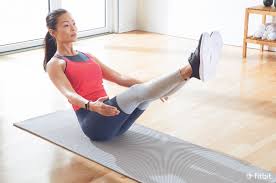
It is very easy for us to incorporate efficient and easy exercises into our daily busy lives. As students, we are always busy with class and other daily activities of student life. Many people think that exercising has to be an elaborate, daily work out that requires us to go to a gym. But, most exercising can be done at home or simply outside. I recommend exercising wherever you have the time and it will become a daily routine without a second thought of doing it. For example, I like to incorporate quick exercising before showering in the morning and at night. I normally do a small five minute circuit of jumping jacks, squats and lunges. This way, you are getting your daily exercise and can look at showering as a reward afterwards. According to WebMD, interval training is the one of the most effective ways to exercise, “The way to do it is to push the intensity or pace for a minute or two, then back off for anywhere from two to -10 minutes (depending on how long your total workout will be, and how much time you need to recover). Continue doing this throughout the workout” (Sarnataro 1). There are also exercises here that you could do with things around your household. Below is a video that shows a quick work out at your desk. This website also includes short exercises to perform. Incorporating these into your daily life can help you efficiently lose weight at your own pace and feel great about it.
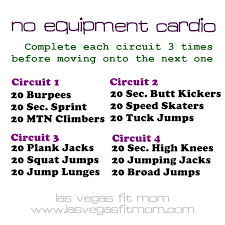
quick exercises to complete prior to small activities

Meal Prepping

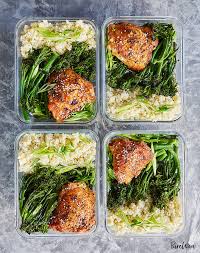
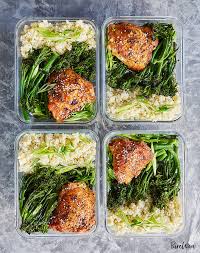
Many of us hear the phrase “meal prepping” and think of the many fancy blog post focused on “healthy eating” and how we can prep a weeks worth of food. This may discourage people due to the time and resources involved in meal prepping, but this can be easily solved. From personal experience as a student who is always busy, I find that meal prepping can be a great way to stop ourselves from eating fast food and can be done in a way that we can have a variety of options. For example, when grocery shopping, buy things that you like- do not buy items that you think are healthy and you should eat them because they are. This will only waste money and keep you hungry. I would recommend buying a group of foods that you would normally eat and make two meals per day with variety. This will stop the idea that the food is “boring” and provide you with options. According to Bulletproof blog,  “For people who like to cook and serve food all at once, just prep parts of recipes. Chop veggies, mix spices, or marinade meat in advance to save time when you’re ready to cook”. This is great advice because cooking in two separate sessions can discourage us due to the time constraints. Healthline informs us that there are different ways to meal prep, ” here are many ways to meal prep, depending on your goals, schedule and meal preferences. Some options include making large batches to be frozen, full meals to be refrigerated and separate portions to be combined as you see fit” (Petre 1). I recommend picking a day that your schedule is not entirely booked and start cooking for the next week!


Benefits

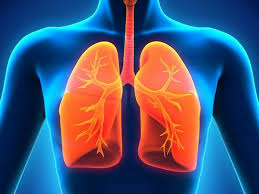
There are multiple benefits to exercising and eating healthy. The obvious reasons are for the health benefits. Eating and exercising can treat many cardiac and pulmonary diseases. A study was done at Harvard School of Medicine that measured how people’s improving diet and fitness increased their health. Per the article, “The study, from Stanford University researcher Abby King and colleagues, enrolled 200 people over age 44 whose diets and physical-activity levels were well below healthy standards. They were hoping to improve their lifestyles, but were not specifically trying to lose weight” They go on to say there were three groups: a control that received consoling about dieting, a group who had to diet and a group that had to exercise. They found that “The control group met none of these goals. Those in the diet-first group met their dietary goals.  Those in the exercise-first group met their activity goal. But only those in the simultaneous group met both goals” (DeNoon Harvard Med). This is a great example to show that dieting and exercising does help in the long run.

For me, health and fitness is more than losing weight. There are numerous benefits that come prior to losing weight

  • better mood- a busy lifestyle can physically drain us as students and working out will release chemicals that make us happier. I always feel 100xs better after going to the gym after a long day of class. It gives us a happier outlook and we will be able to get out of the “student slump”.
  • boosts energy- eating unhealthy foods is linked to fatigue and drowsiness. This is normally because there are no nutrients in unhealthy foods. Foods with fiber and fruits and vegetables will boost our energy and give us more energy to study and pay attention in class. Exercise also helps boost energy levels. According to HelpGuide, “Increasing your heart rate several times a week will give you more get-up-and-go. Start off with just a few minutes of exercise per day, and increase your workout as you feel more energized” (HelpGuide 1).
  • longer life- practicing healthy habits over the course of our lifetime will add more years. If we eat better, that means we are protecting our bodies from diseases and foreign bodies.
  • memory improvement- exercising also helps with memory improvement! According to a Harvard Medical School study, “Exercise helps memory and thinking through both direct and indirect means. The benefits of exercise come directly from its ability to reduce insulin resistance, reduce inflammation, and stimulate the release of growth factors—chemicals in the brain that affect the health of brain cells, the growth of new blood vessels in the brain, and even the abundance and survival of new brain cells” (Godman 1). Exercising the body also effects our mind and as students, we could use all of the memory space we can get for studying and test taking!
  • If we can incorporate a small amount of time to exercise and eat healthy, we will live a more prosperous and longer life. Click here to learn more about the benefits of health and fitness.

Quick TidBits

  • Exercising:
  • Exercises whenever you have time. Whether it is walking or lifting your heavy groceries in three reps, there can be time for exercise anywhere. You can also exercise when walking to class. An example exercise would be lunges or squats. I have also found it beneficial to exercise with books at home that can be used as dumbbells.
  • Take the stairs! As full time students we have classes in all buildings and all levels. Make sure to take the stairs instead of the elevator. You will find that this burns calories and you will see a small difference in endurance build up.
  • Bike or walk to campus! This is for people who live close to campus but can still be followed if you don’t. Walking to campus will not only save gas (and omits the need to find a parking spot) but will also count as working out. Biking to campus might be another option if you do not live within walking distance of campus. If it is a nice day outside, get to walking to burn more calories!
  • More information can be found here
  • Healthy eating:
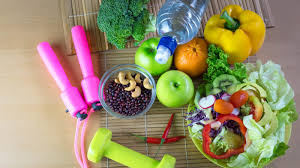
  • Carry snacks on the go- I have found that snacking on a few healthy snacks throughout the day has helped with decreasing appetite. As students, we have many classes and they are normally longer than one hour. Packing a few healthy snacks such as nuts, granola bars or fruit can decrease appetite there is no indulgence when we finally get home.
  • Pack lunch to go – This one can be hard to do. Normally students have a different schedule everyday and doing anything (besides our school schedule) on time can be hard. I recommend waking up earlier than needed to eat a balanced breakfast and packing a lunch. Packing lunch will help decrease spending and eating fast food in between classes.
  • Stop midnight snacking- Midnight snacking seems to satisfy us for the moment, but will not help in the long run. I recommend not eating after 8PM due to the risk of gaining weight. During finals week, this can be the perfect time to snack late. I would recommend eating small snacks throughout the day and all three meals (breakfast, lunch and dinner) to suppress the urge to eat late.
  • Here are some healthy snacks that you can pack on the go.

Biblography